Introduction
Wound treatment is a fundamental aspect of medical care that can significantly impact person outcomes. As we transition from classroom learning to clinical technique, the importance of functional applications becomes evident. The trip of changing theoretical expertise right into scientific competence is critical for medical care experts, specifically registered nurses, who commonly work as the initial line of protection in wound management.
In this extensive article, we discover the numerous dimensions of basic wound care training and its practical applications in medical setups. Our discussion includes whatever from fundamental theories to specialized techniques, making sure that wound care specialists are geared up with the required skills and knowledge. We will dive deep into topics such as chronic wound care management, complex wound care approaches, and the role of nursing in reliable injury treatment management.
Understanding Wound Treatment Expert Training
What Is Injury Treatment Expert Training?
Wound care professional training includes an area of education that prepares medical care professionals to effectively take care of a range of injuries. This specialized training outfits individuals with the skills necessary to evaluate, identify, and execute therapy plans for patients struggling with intense and chronic wounds.
Why Is Wound Care Training Important?
The value of wound care training can not be overstated. Correctly trained specialists can minimize complications related to injuries, improve healing times, and improve general individual Check over here complete satisfaction. Moreover, effective injury administration minimizes medical care prices connected with extended healthcare facility keeps and additional treatments.
Key Parts of Wound Care Professional Training
Assessment Techniques
- Learning just how to perform detailed analyses is crucial. This includes recognizing the anatomy of skin layers and identifying indicators of infection.
Treatment Modalities
- Different types of wounds call for certain treatment methods, including dressings, topical agents, and progressed therapies.
Patient Education
- Teaching clients about their injuries boosts conformity with treatment programs and advertises better wellness outcomes.
Multidisciplinary Approach
- Effective wound administration typically entails cooperation among physician across different specialties.
Basic Wound Care Training for Nurses
What Does Basic Wound Care Training for Nurses Involve?
Basic wound care training for nurses focuses on furnishing them with crucial skills required to give initial assessment and proper management for people' wounds.
Core Topics Covered in Standard Injury Treatment Training
- Anatomy & Physiology: Recognizing skin framework is vital for acknowledging normal recovery processes. Types of Wounds: Differentiating between intense injuries (like cuts or abrasions) and persistent injuries (such as pressure ulcers) is critical. Infection Control: Techniques to stop infections during dressing changes are educated rigorously. Dressing Selection: Selecting suitable dressings based on wound kind affects recovery effectiveness.
Wound Care Training Courses Available
Types of Wound Care Training Courses
Numerous training courses are readily available for those seeking sophisticated knowledge in wound administration:
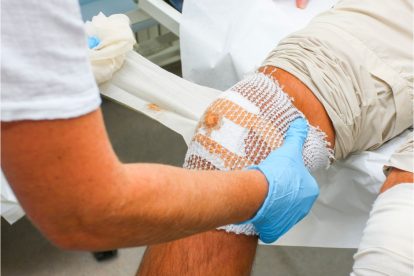
- Designed for beginners that require foundational knowledge.
- Focused on complicated situations needing specialized skills and knowledge.
- Many organizations supply online components that supply adaptability while preserving high academic standards.
Choosing the Right Course
When picking a program, think about elements such as accreditation, course web content significance, period, distribution approach (online or in-person), and cost.
Nursing Wound Care Training: A Structure for Success
How Does Nursing Wound Care Training Prepare Professionals?
Nursing wound care training lays the groundwork needed for medical professionals to deal with various circumstances they might experience in practice effectively.
Importance of Constant Education
With advances in medical science continuously advancing best methods in wound administration, continuous education guarantees that nurses stay proficient in new strategies and technologies.
Practical Applications in Professional Settings
From Classroom to Center: Practical Applications of Fundamental Wound Treatment Training
Transitioning from theoretical structures discovered in classrooms to real-world scientific applications needs persistent technique and experience. For example:

- Initial Patient Assessment: Using analysis devices found out throughout training aids nurses accurately gauge a client's needs upon admission. Creating Treatment Plans: Recognizing various methods enables nurses to design customized therapy strategies tailored particularly to every individual's special situation. Monitoring Progress: Nurses can use examination strategies found out throughout their training to monitor recovery effectively while making modifications when required.
Chronic Wound Treatment Management
What Makes up Persistent Wounds?
Chronic wounds are specified as injuries that fall short to progress with typical stages of recovery because of underlying conditions such as diabetes or venous insufficiency.
Challenges in Chronic Wound Management
Managing persistent wounds provides numerous difficulties:

Successful administration requires both skillful nursing methods along with holistic individual factors to consider-- resolving emotional wellbeing together with physical health and wellness concerns.
Complex Wound Treatment Strategies
What Are Facility Wounds?
Complex wounds commonly involve comorbidities that make complex typical therapy protocols-- examples include diabetic foot abscess or surgical website infections adhering to substantial surgeries.
Effective Methods for Managing Complex Cases
Interdisciplinary Collaboration- Working alongside doctors, dietitians, and physical therapists can boost overall patient outcomes.
- Techniques like negative pressure treatment or bioengineered skin replacements might be presented based on individual needs.
- Regularly taking another look at therapy plans makes certain treatments stay efficient over time.
FAQs Regarding Standard Wound Care Training
1. What Are Common Types of Wounds?
Common types consist of abrasions, lacerations, puncture wounds, medical incisions, pressure ulcers (bedsores), diabetic foot abscess, etc.
2. How Long Does It Take To Total Fundamental Injury Treatment Training?
Most basic training courses vary from eventually to numerous weeks depending on the organization's educational program structure however typically aim for extensive coverage within 20-- 40 hours total instruction time split over several sessions or extensive formats.
3. Can I Obtain Online Accreditation For Basic Wound Care?
Yes! Numerous accredited organizations currently supply on the internet accreditation programs customized specifically toward fundamental principles bordering effective management strategies used by healthcare providers today!
4. Is Continuing Education Required After Finishing Initial Training?
Yes! Continuous education plays an important role within lots of health care professions-- it helps make certain professionals remain updated relating to arising techniques related straight back towards boosting patient outcomes!
5. Just how Do I Know If My Present Abilities Are Sufficient For Managing Facility Cases?
Regular self-assessment coupled together with feedback obtained from peers/mentors gives understandings concerning areas needing improvement-- going to refresher courses regularly assists maintain expertise fresh too!
6. Exactly How Can I Remain Updated On Advances In The Field Of Wound Management?
Engaging with professional companies focused around progressing methodologies/protocols within this specialized area along with subscribing journals related directly back in the direction of relevant innovations aids experts greatly!
Conclusion
Navigating the journey from classroom learning to professional practice needs dedication and dedication from medical care experts associated with basic wound care training programs. By recognizing essential elements underpinning effective applications-- whether with assessing diverse types/wounds accurately; using evidence-based techniques tailored specifically towards specific patient requirements; focusing on continual education possibilities readily available-- the makeover right into proficient specialists comes to be not simply possible however inevitable!
With ongoing efforts aimed at sharpening abilities even more-- medical care employees will unquestionably reinforce their roles supporting optimum recuperation paths while enhancing total quality-of-life experiences across populations served!